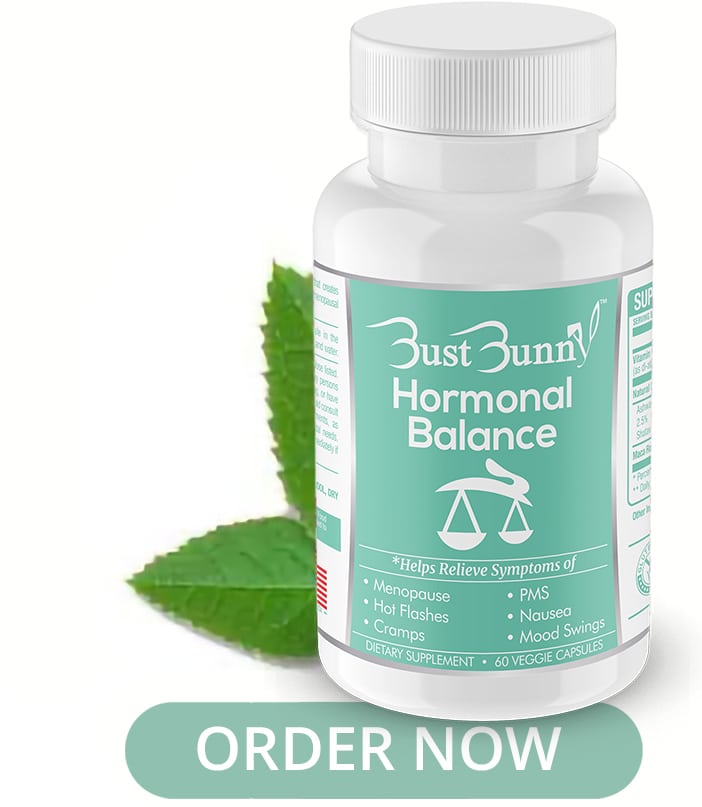
Limited time offer!
JULY SALE, use code "JULY10" to get 10% OFF
 When your body hits perimenopause, you will begin receiving clues that you are entering into menopause. During perimenopause, your body is entering the “transition period” where your hormone production is starting to fall off. During this phase, you might begin experiencing some of the symptoms of beginning menopause.
Once you have no longer received your period for 12 consecutive months, you are in menopause. Although these symptoms of beginning menopause can vary from woman to woman, below are a few common symptoms of menopause.
When your body hits perimenopause, you will begin receiving clues that you are entering into menopause. During perimenopause, your body is entering the “transition period” where your hormone production is starting to fall off. During this phase, you might begin experiencing some of the symptoms of beginning menopause.
Once you have no longer received your period for 12 consecutive months, you are in menopause. Although these symptoms of beginning menopause can vary from woman to woman, below are a few common symptoms of menopause.
 Menopause comes in three phases: perimenopause, menopause, and postmenopause. During these phases, you will start to begin symptoms before actually beginning menopause. There are many factors that determine how long menopause will last, but on average the side effects of menopause can last anywhere from four to ten years. On average most women experience the symptoms of menopause for about four years, perimenopause being the worst part of it. Depending on your hormones, genetics and mother’s experiences with menopause, worst case scenario it can last up to 10 years. The transition of perimenopause to menopause can take about 1 to 3 years, which is why you may notice signs of menopause before actually reaching menopause. The beginning stages of menopause symptoms may not be fully transparent, but over time they may become more severe. Once menopause is complete, you will then experience post menopause where you can still continue experiencing symptoms.
 Just like anything else that comes to an end, so does menopause. But, how do you know when menopause is over? You must listen to your body and the changes you will begin experiencing. Suddenly, you will start to notice a difference in your body. The symptoms will begin to subside and you will start to feel more at ease. So if you’re wondering “when is menopause officially over”, listen to your body and pay attention to the point where you are no longer experiencing symptoms.
 Menopause can be a very difficult time in any woman’s life, dealing with these unsettling changes and symptoms can be draining. The good news is that over time, the symptoms you are experiencing will begin to decrease, getting easier over time. There are also many options on the market to help ease and alleviate the symptoms you are experiencing. There are many different signs of menopause that you may start to notice, but be sure that you have stopped receiving your period to be positive that this is menopause you are experiencing.
Postmenopause is part of the many stages of menopause that your body will begin to adapt to. You may wonder “why do females go through menopause” and among the many questions we have, this is simply based on no longer being able to reproduce. This is a shock to your body as it has been made to reproduce for most of your life and now it is shutting off which is where the symptoms start to come in. Knowing at what age does menopause start can be hard to pinpoint, but for the most part, be prepared after your mid-thirties that it can pop up at any point and time. Understanding your body and being patient is vital for this process, but don’t worry, there are plenty of remedies to help get you through this transition period.
Menopause can be a very difficult time in any woman’s life, dealing with these unsettling changes and symptoms can be draining. The good news is that over time, the symptoms you are experiencing will begin to decrease, getting easier over time. There are also many options on the market to help ease and alleviate the symptoms you are experiencing. There are many different signs of menopause that you may start to notice, but be sure that you have stopped receiving your period to be positive that this is menopause you are experiencing.
Postmenopause is part of the many stages of menopause that your body will begin to adapt to. You may wonder “why do females go through menopause” and among the many questions we have, this is simply based on no longer being able to reproduce. This is a shock to your body as it has been made to reproduce for most of your life and now it is shutting off which is where the symptoms start to come in. Knowing at what age does menopause start can be hard to pinpoint, but for the most part, be prepared after your mid-thirties that it can pop up at any point and time. Understanding your body and being patient is vital for this process, but don’t worry, there are plenty of remedies to help get you through this transition period.